Months after unveiling, Kolkata removes giant Messi statue over safety fears
Installed during Messi's India tour, the towering tribute in Lake Town is now being dismantled and shifted after inspections flagged potential structural concerns.
Only days ago, football invited us to believe that the World Cup’s greatest gift lies beyond victory itself. The tournament’s magic has never resided solely in identifying the strongest team.




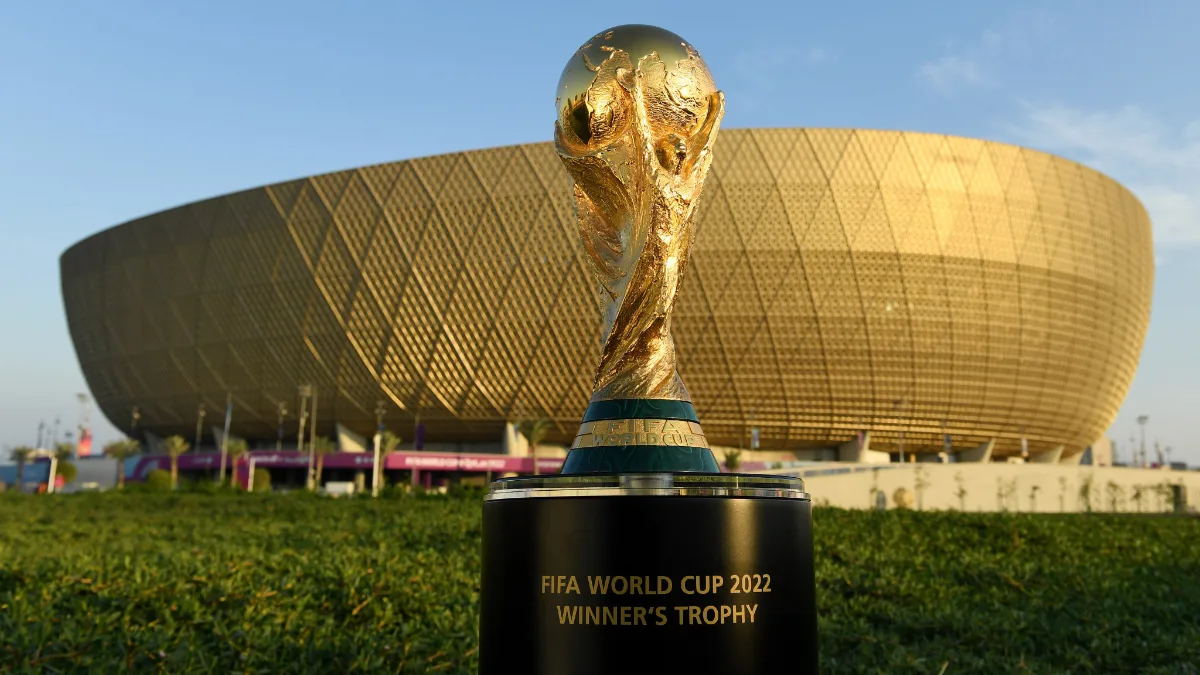
FIFA World Cup Trophy 2022 (photo: ANI)
Only days ago, football invited us to believe that the World Cup’s greatest gift lies beyond victory itself. The tournament’s magic has never resided solely in identifying the strongest team. It has lived in its ability to persuade billions of people, however briefly, that they belong to a shared human spectacle larger than borders and ideologies. Yet the road to the 2026 World Cup has offered an uncomfortable reminder that such moments of togetherness rest on political foundations that can no longer be taken for granted. For decades, the World Cup functioned as a temporary republic of football.
Military dictatorships, Cold War rivalries and diplomatic disputes intruded upon the tournament, but they rarely displaced its central premise: those who qualified to participate would be welcomed into a common space governed by the rules of the game. For one month, the authority of the tournament appeared to transcend the calculations of the state. That assumption is now under strain. The irony is difficult to miss. At a time when the tournament has expanded to include more nations than ever before, the practical barriers to participation appear to be growing. Football’s promise of universality has never been broader in theory, yet in practice it is becoming more conditional. A FIFA-appointed referee from Somalia, despite carrying valid documentation and accreditation, found himself denied entry into the host country.
Advertisement
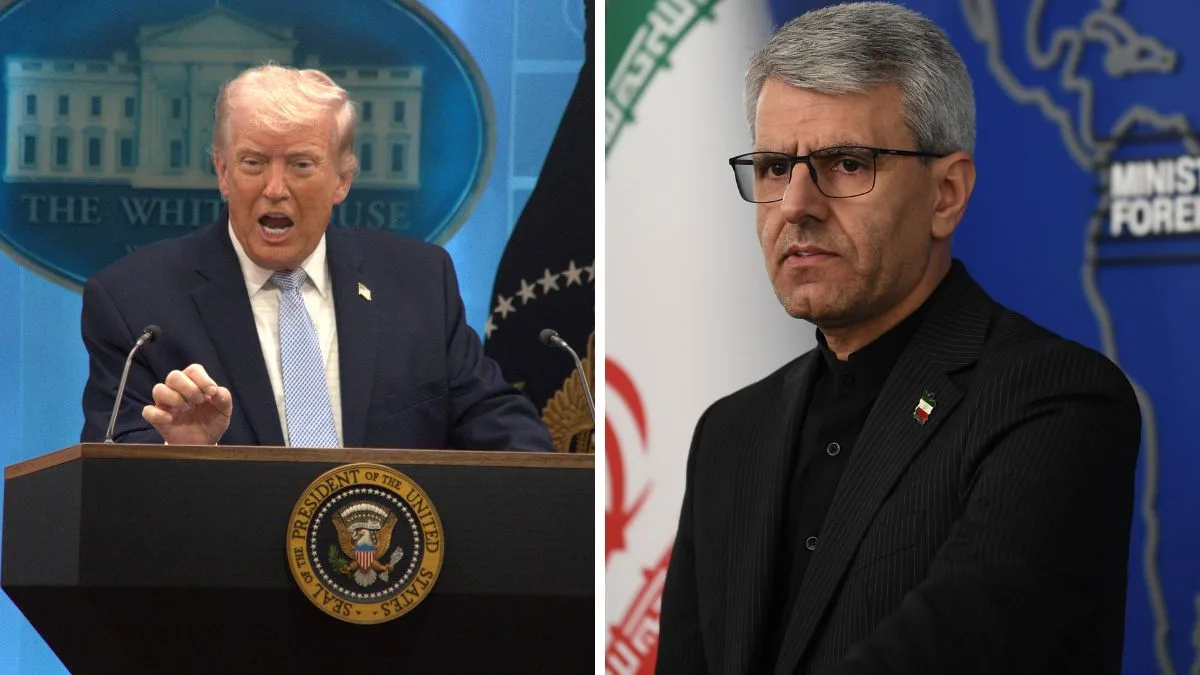
Iran’s participation became entangled in exceptional arrangements shaped less by sporting considerations than by security concerns and geopolitics. These episodes are not simply administrative controversies. They reveal the limits of international institutions in an age increasingly defined by resurgent nationalism, hardened borders and the primacy of sovereign discretion. The same tension is visible elsewhere, from disputes over refugee obligations and trade rules to disagreements within climate negotiations and multilateral forums. Institutions designed to foster collective action increasingly find themselves constrained by governments responding to domestic anxieties and political pressures. The World Cup remains one of the few experiences capable of commanding the attention of humanity at once.
Advertisement
It offers a rare demonstration that competition need not destroy community; that fierce loyalties can coexist within commonly accepted rules. If even this global ritual cannot carve out a neutral space insulated from political anxieties, what does that suggest about the prospects for international cooperation elsewhere? The tournament itself will survive. Football is too deeply woven into the emotional lives of billions to disappear. But perhaps what is fading is the comforting belief that the world’s biggest sporting event exists above politics. The World Cup once invited us to imagine that, for a few weeks, borders mattered a little less. The events surrounding 2026 suggest a different reality: global institutions endure only so long as nations permit them to do so. The game will go on. The cheering will continue. But the notion that football can transcend the age in which it is played may prove harder than ever to defend.
Advertisement